Introduction to Fashion Rules
The world of fashion has long been governed by a set of established rules that dictate everything from acceptable attire for various occasions to color combinations and body types deemed fashionable. Traditionally, these rules have served as guidelines that shaped the identity of styles and trends throughout the decades. For instance, the idea that certain colors could only be worn during specific seasons, or the belief that women should pair skirts exclusively with heels, has been prevalent in the fashion industry. These conventional norms have often restricted personal expression and creativity.
Furthermore, the dictation of fashion hierarchies has influenced the ways in which individuals engage with their wardrobe choices. High fashion, often characterized by its exclusivity and often extravagant nature, has traditionally set the standard for what is deemed stylish. This has established a sense of elitism within the industry, leading many to feel they must conform to a certain aesthetic to be considered fashionable. Components such as body size, skin tone, and even age have historically resulted in limitations, making the world of fashion feel less inclusive.
As we enter 2025, however, the prevailing attitudes towards these traditional rules are beginning to shift. Social media has played a pivotal role in democratizing fashion, granting access to diverse trends and styles that previously would have been overlooked by mainstream fashion houses. This has given rise to a new generation of creators and influencers who challenge conventional standards and promote individual expression. The evolving nature of fashion as a reflection of society’s changing values suggests that 2025 will be a year founded on inclusivity, creativity, and a willingness to break free from long-standing constraints. As these rules continue to be dismantled, new approaches to style are redefining what it means to be fashionable.
The End of ‘Seasonal Dressing’
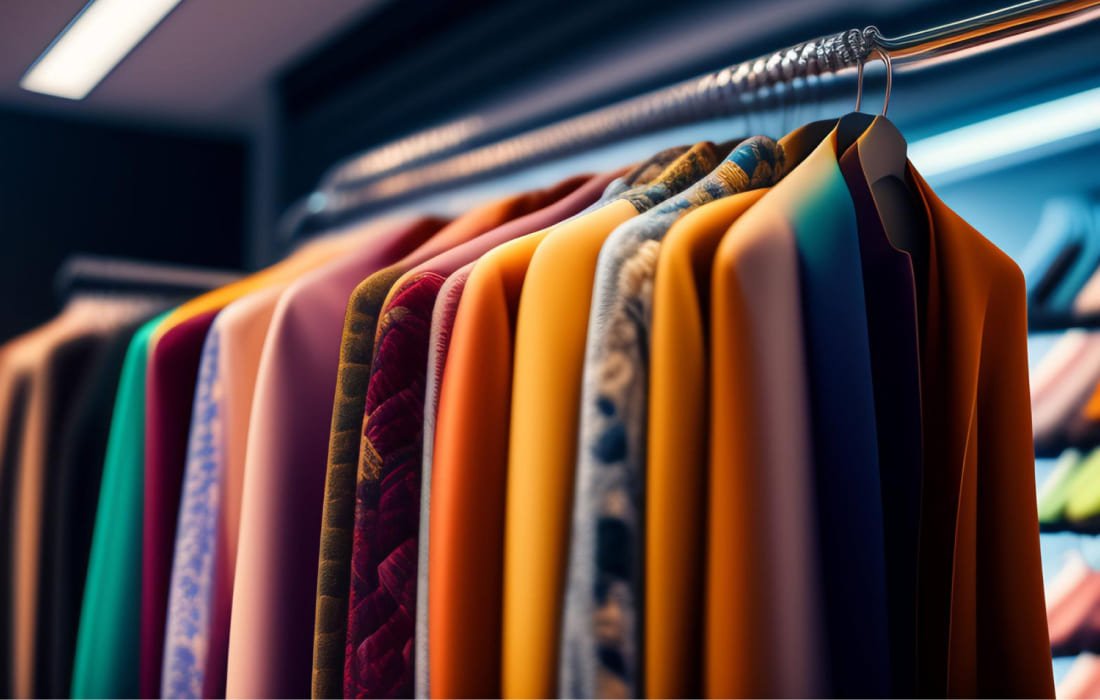
In recent years, the fashion industry has undergone a significant transformation, marking the decline of the age-old concept of ‘seasonal dressing.’ This shift can be attributed to a combination of factors, including climate change, globalization, and an evolving consumer mindset that prioritizes versatility and personal expression over adhering to traditional fashion calendars.
Climate change has notably influenced this paradigm shift. As global temperatures rise, the concept of distinct seasons becomes increasingly blurred. Mild winters and warmer autumns have prompted consumers to reconsider their wardrobes. Rather than investing in heavy winter coats and summer dresses, individuals are opting for year-round pieces that can be easily layered or adapted to different weather conditions. This flexibility allows for a more sustainable approach to fashion, as consumers are encouraged to purchase fewer, high-quality items that can be worn throughout the year.
Globalization has further contributed to the demise of seasonal dressing. With the proliferation of online shopping and the accessibility of international fashion markets, trends can spread rapidly across the globe, making it easier for consumers to access diverse styles regardless of their local climate. Fashion enthusiasts can now explore a variety of designs from different cultures, which encourages a year-round dressing ethos that embraces individual style rather than seasonal conformity.
The demand for versatility extends beyond climate and global influences; it reflects a broader shift in consumer attitudes towards clothing. Modern consumers desire fashion that allows them to express their identity without the constraints of tradition. As a result, many brands and designers are embracing the concept of ‘seasonless’ collections, focusing on timeless silhouettes and adaptable pieces that cater to a wide range of occasions, regardless of the season. This new approach ultimately empowers individuals to wear what they love, creating a more inclusive and personalized fashion landscape.
Gender Fluid Fashion
In recent years, the concept of gender fluid fashion has gained significant traction, reflecting a societal shift towards inclusivity and the dismantling of traditional gender norms. This evolution in clothing design transcends the long-established boundaries that have typically categorized men’s and women’s fashion. Designers are increasingly recognizing the demand for collections that embrace a more fluid aesthetic, allowing individuals to express themselves without the limitations imposed by conventional gender labels.
The rise of gender-neutral clothing demonstrates a growing understanding that personal identity is multifaceted and cannot be confined to binary classifications. Brands and designers are responding to this broader acceptance by creating versatile pieces that cater to diverse audiences. Neutral colors, relaxed silhouettes, and adaptive cuts are becoming staples in many collections, empowering consumers to choose garments based on their preferences rather than their assigned gender.
Moreover, the influence of social media has played a pivotal role in the proliferation of gender fluid fashion. Platforms enable self-expression and facilitate dialogue regarding individual experiences and identities. Influencers and fashion icons often share their unique styles, challenging preconceived notions and inspiring others to embrace a more liberated approach to dressing. This widespread visibility has encouraged brands to align their offerings with the evolving marketplace, marking a significant departure from the historical marketing strategies that targeted gender-specific audiences.
The shift towards gender fluidity in fashion not only reflects changing consumer demands but also aligns with a cultural movement that values authenticity and individuality. As more brands adopt inclusive practices, there is a collective push towards dismantling the rigid garment distinctions that have dominated the industry for far too long. Consequently, gender-neutral clothing is not just a trend; it signifies a profound transformation within the fashion landscape of 2025 and beyond.
Sustainability Over Fast Fashion
The fashion industry is undergoing a significant transformation in 2025, as consumers increasingly prioritize sustainability over fast fashion. This shift in mentality reflects a growing awareness of the environmental implications associated with rapid production cycles and excessive consumption. Today’s consumers are more informed than ever, understanding that the fast fashion model often leads to wastefulness and various ecological concerns. Ultimately, this awareness drives a demand for eco-friendly brands and sustainable practices.
As a result, numerous eco-conscious brands have emerged, gaining traction and capturing the attention of socially responsible consumers. These brands prioritize the use of organic materials, ethical labor practices, and minimal environmental impact. Their commitment to sustainability not only appeals to consumers who seek to reduce their carbon footprint but also fosters a sense of loyalty among those who align their personal values with their purchasing decisions. Through transparent production practices and clear communication about their methods, these brands are setting new standards within the fashion landscape.
The demand for transparency is reshaping the way fashion businesses operate. Consumers are no longer satisfied with marketing hype or superficial claims; they seek evidence of genuine practices. This transparency includes detailed information about sourcing, production processes, and labor conditions. In the age of information, customers are equipped with the tools to research and evaluate brands, empowering them to make informed choices. Consequently, companies prioritizing ethical production and sustainability are gaining a competitive edge in an evolving market.
This broad cultural shift signals a noteworthy change in consumer interactions with the fashion industry, steering it towards a more responsible future while redefining success. As sustainability increasingly becomes a guiding principle in fashion, brands that fail to adapt may find themselves at a disadvantage as discerning consumers choose to invest in products that harmonize with their values.
The Rise of Personal Style
In the contemporary landscape of fashion, there has been a notable shift towards personal expression, fundamentally altering how individuals engage with their clothing and style. The rise of personal style signifies a movement where individuality takes precedence over fleeting trends, encouraging people to embrace their unique tastes and preferences.
Traditionally, fashion has often been dictated by seasonal trends and popular influencers, leading individuals to conform to prevailing styles rather than expressing their identities. However, recent years have seen a growing awareness of the importance of personal style as a reflection of one’s character. As a result, people are now prioritizing comfort, authenticity, and creativity in their wardrobe choices. This transformation allows everyone to curate a personal style that resonates with their values rather than simply following what’s fashionable at any given time.
The advent of social media has played a significant role in this shift, as platforms allow fashion enthusiasts to showcase their individuality and connect over shared aesthetics. Unlike previous eras where style icon status was largely reserved for celebrities, anyone can now gain recognition for their unique fashion sense. This democratization of fashion nurtures a culture that celebrates diversity and inclusivity, leading to an environment where personal style flourishes.
Furthermore, the emphasis on sustainable fashion has prompted individuals to rethink their consumption habits. As society grapples with environmental concerns, many are opting for second-hand clothing or brands that prioritize ethical practices. This approach not only aligns with personal values but also allows individuals to develop a style that is both distinctive and conscientious. As personal expression in fashion continues to rise, it represents a significant evolution—where the desire to stand out is cherished and celebrated, highlighting the beauty of variation in style choices.
Technology and Virtual Fashion
The integration of technology into the fashion industry is reshaping not only what we wear but how we interact with fashion itself. In recent years, various technological advancements have introduced innovative shopping experiences that leverage virtual and augmented reality. These technologies enable consumers to engage with fashion in unprecedented ways, providing immersive environments where one can try on clothing without physically wearing them. Virtual fitting rooms, for instance, allow customers to visualize how garments would look on their avatars or even on themselves using augmented reality overlays.
Moreover, the concept of digital clothing has gained traction, particularly within online communities and social media platforms. Virtual garments are created for avatars in gaming environments or social apps, allowing for unique forms of self-expression that transcend physical boundaries. This trend highlights the growing importance of individuality in fashion and illustrates how technology offers a space for creativity without the limitations of material constraints. Digital clothing often incorporates elements that are impossible or impractical in the physical realm, thus pushing the creative boundaries of design.
Furthermore, the rise of non-fungible tokens (NFTs) in the fashion realm has introduced an exciting way to own and trade unique digital garments. By securing digital ownership, consumers engage more personally with their fashion choices, which can also greatly influence trends and the overall market. The fashion industry is witnessing how these technologies not only cater to the demand for authentic individuality but also promote sustainable practices by reducing the need for physical materials and minimizing waste.
In summary, technology is transforming the fashion landscape, providing innovative platforms for self-expression through virtual and augmented reality experiences, while the emergence of digital clothing and NFTs represents a significant shift towards a future where fashion is as much about digital identity as it is about physical attire.
Breaking Accessories Norms
In recent years, the fashion landscape has witnessed a significant transformation, particularly concerning the role of accessories. No longer relegated to the category of mere finishing touches, accessories have emerged as powerful statements that can define an outfit. This evolution encourages individuals to embrace a more creative approach to accessorizing, allowing personal style and flair to take center stage.
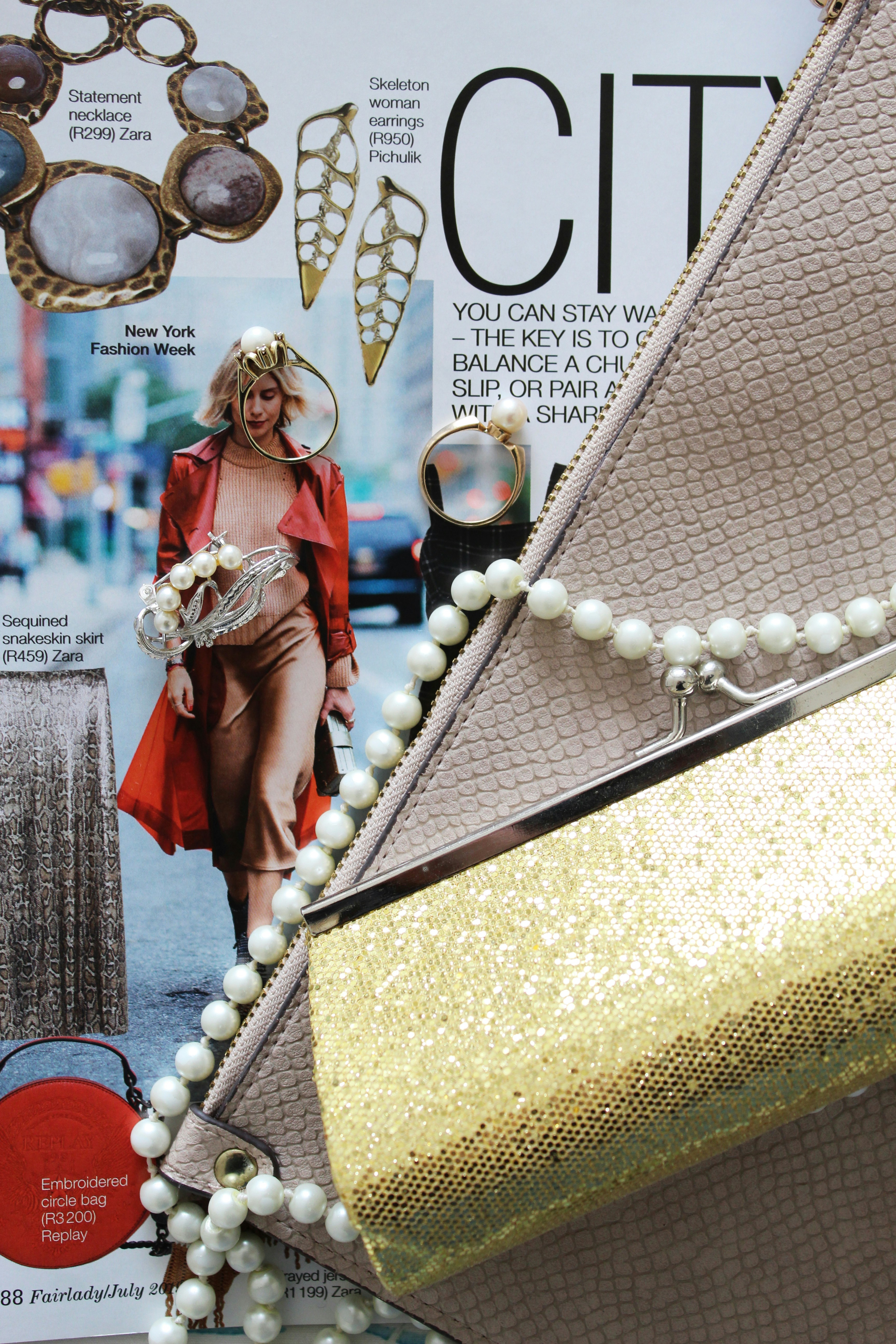
One of the defining trends in the evolution of accessories is the bold mixing and matching of various items. Jewelry, bags, belts, and hats are now commonly combined in unexpected ways, transcending the traditional rules of pairing. For instance, the once-popular guideline that dictated only one statement piece should lead the ensemble has been replaced by a more dynamic approach. A striking necklace may be artfully layered with complementary bracelets, while an oversized handbag makes a bold statement alongside delicate rings adorned with vibrant gemstones. This shift emphasizes not only individual expression but also the artistic potential of accessorizing.
Another noteworthy trend is the rise of ‘accessory fashion,’ wherein accessories themselves are designed as statement pieces that can stand independently from an outfit. Designers are increasingly crafting items such as oversized belts, uniquely shaped bags, and eye-catching hats that demand attention and can elevate even the simplest of outfits. These accessories encourage wearers to think beyond the conventional, allowing them to showcase their unique personality and style through innovative combinations. As a result, one’s choice of accessories can now tell a compelling story of self-expression and creativity.
Ultimately, the breaking of accessory norms highlights a broader shift in fashion toward personalization and individuality. As consumers continue to prioritize their unique flair over conventional wisdom, the accessory realm becomes a vibrant canvas of personal artistry, inviting everyone to explore and experiment.
Inclusive Sizing: A New Standard
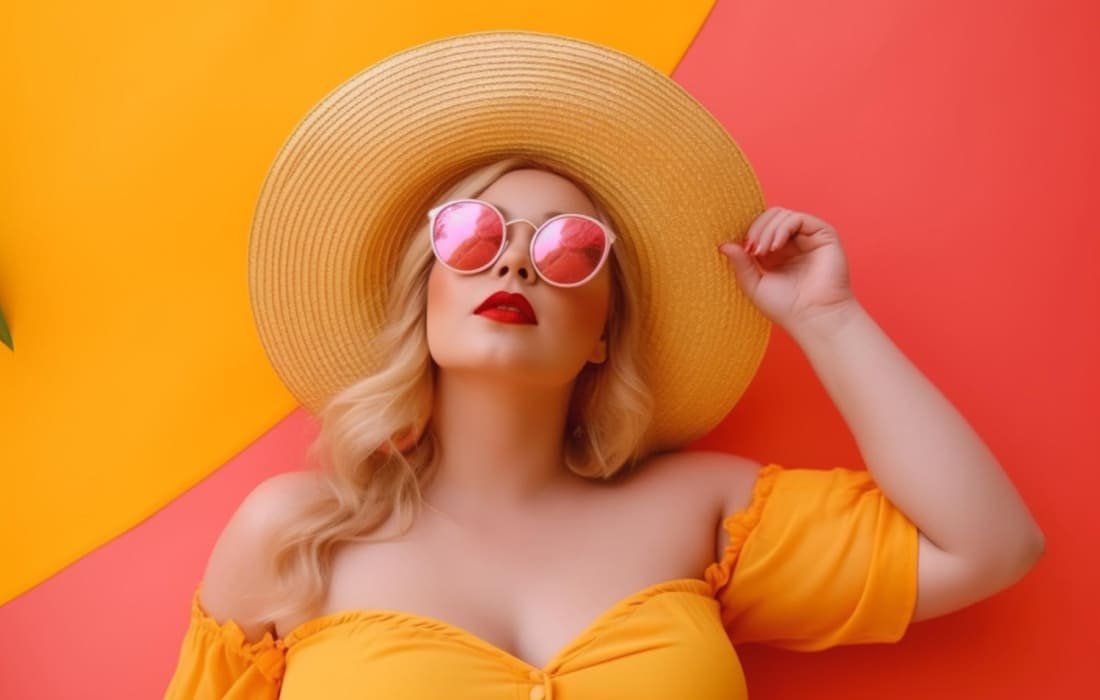
The fashion industry has long been criticized for its traditional sizing norms, often leaving a significant portion of the population underserved. However, as we move toward 2025, a notable shift towards inclusive sizing is taking place, signaling a potential new standard in the sector. Major brands are beginning to broaden their size ranges, acknowledging that fashion is not merely for a select group but for everyone, regardless of body shape or size.
Several influential brands are leading the charge in this evolution. For instance, retailers like Aerie and ASOS have successfully implemented extended sizing options, demonstrating a commitment to diversity that resonates with consumers. Brands that were once celebrated for their slim models are now incorporating a variety of body types in their advertising campaigns, reflecting the reality of their customer base. This movement has not only enhanced representation but has also fostered a sense of belonging among shoppers who previously felt excluded from mainstream fashion.
Moreover, consumer advocacy has played a critical role in driving this change. Through social media platforms and various campaigns, individuals have amplified their voices, demanding better representation and more realistic sizing options. This grassroots movement emphasizes that fashion should be an inclusive space where everyone feels welcome and valued. As consumers engage actively with brands and share their experiences, they have become powerful catalysts for change, pushing back against outdated standards.
As we look ahead, the evolution toward inclusive sizing appears set to reshape the fashion landscape significantly. The growing awareness among consumers about body positivity and the importance of representation suggests that brands will continue to adapt their approaches to meet diverse needs. By prioritizing inclusivity, the fashion industry acknowledges that beauty comes in various forms, ultimately advocating for a more equitable and diverse narrative in fashion for all.
Conclusion: The Future of Fashion
As we reflect on the key insights discussed throughout this blog post, it becomes clear that the future of fashion in 2025 is poised to break free from traditional constraints. The ever-evolving landscape of fashion is increasingly driven by individuality, sustainability, and inclusivity, allowing for a more diverse range of expressions. This shift not only broadens the horizons of personal style but also fosters a more egalitarian approach to dressing, catering to bodies of all shapes, sizes, and identities.
One of the notable changes includes the rise of technology in fashion design and consumer engagement. With advancements in virtual reality, augmented reality, and artificial intelligence, fashion brands are able to create immersive experiences for consumers, thus redefining how we shop and interact with clothing. These technologies empower individuals to explore their style in innovative ways, facilitating a more personalized shopping experience that aligns with their unique preferences.
Additionally, the call for sustainable practices continues to gain momentum. Upcoming designers and established brands alike are prioritizing eco-friendly materials and production methods, recognizing the importance of responsible fashion. This trend not only addresses environmental concerns but also encourages consumers to be more conscious of their purchasing decisions, promoting a culture of thoughtful consumption.
Moreover, the collaboration among diverse voices in the fashion industry is fostering an inclusive atmosphere that celebrates difference rather than conformity. By embracing this inclusivity, fashion becomes a form of self-expression that transcends societal norms, breaking down barriers and allowing individuals to fully embrace their authentic selves.
As we move towards 2025, it is essential for each of us to engage with these transformative trends actively. By supporting brands that champion sustainability and inclusivity, and by exploring our personal styles without limitations, we contribute to the redefinition of fashion. The future holds exciting possibilities, and together, we can shape a narrative that reflects the diverse and vibrant world in which we live.